
Stories of Transformation
A visual journey from rescuing the boys off the streets to bringing them to a shelter full of hope. Each child’s story is a step toward dignity, safety, and a brighter future. It’s truly tremendous to be able to share the “before and after” stories of the boys’ lives.
Where It Began and Where They Are Today, The Lives They are Living Now
Samuel – Before & After
Before
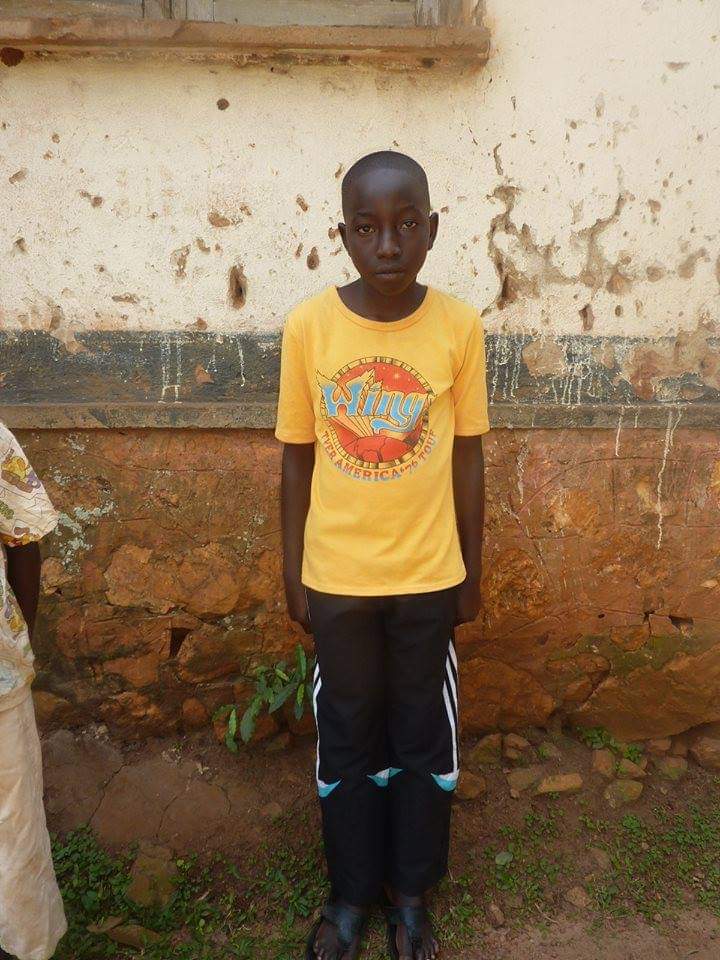
Samuel was referred to the shelter after his education was interrupted by serious financial hardship. Following the death of his mother, his father struggled with alcoholism and was unable to continue supporting him. As a result, Samuel was forced to stop his studies and faced an uncertain future. When Samuel joined the shelter, he was in Primary Four. Although he showed potential, he lacked direction and confidence. Like many young people adjusting to a new environment, he displayed some behavioral challenges, including isolating himself at times, taking longer to complete chores, and being overly playful. Beyond these challenges, Samuel had few other support systems to rely on.
After

At the shelter, Samuel received consistent educational and emotional support from Primary Four through Senior Six. When it became clear that agriculture was not his true interest, he was encouraged to take time to reflect on his strengths and passions before choosing a degree program. With guidance, a plan was made for him to resume his studies in August after a year of exploration.
During his Senior Six vacation, Samuel used this time productively by completing nearly a year of training in car repair a skill he continues to practice today. He now lives with his brother, who is pursuing the same course, and the two support each other as they work toward stable livelihoods.
Today, Samuel is largely independent and self reliant. He seeks assistance only when necessary, mainly for medical care or food. His journey reflects growth, resilience, and the impact of having time, guidance, and opportunity to discover a meaningful path forward.
Innocent – Before & After
Before
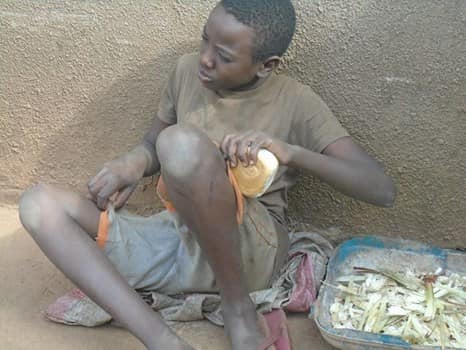
In 2014, during my grandmother’s funeral, a group of street children gathered nearby. Among them was a quiet boy named Innocent Wycliff. He was visibly unwell and unkempt, like many boys surviving on the streets at the time, but there was something gentle and searching in him. We began by offering him food, clothing, and a safe place to rest. When we tried to learn more about him, it wasn’t easy. Innocent used different names on the streets, and there were no district records to guide us. For several weeks, he remained at the shelter while I slowly pieced together his story and tried to understand why he had left his aunt’s home.
Eventually, after many months of effort, we traced his family. Innocent willingly agreed to reconnect, and together we decided that he would return to the shelter under an understanding that his family would cooperate and stay involved. His mother had passed away, and he had been raised by his aunt alongside her children. Life there had been complicated and emotionally heavy, and over time, Innocent found himself feeling misunderstood and displaced. Those tensions eventually pushed him to seek freedom and survival on the streets of Kampala, where our paths crossed.
Despite everything he had endured, Innocent showed determination. I supported him through his education from Primary Seven to Senior Six, and although the relationship with his aunt remained fragile, there were moments of effort and support. After his resettlement, Innocent returned home and stayed there for about three and a half years, trying to rebuild his life and find his place
After

As Innocent grew older, he began navigating adulthood and independence, which brought new challenges and difficult choices. When he returned to the shelter later on, adjusting to structure and rules was not easy. Like many young people searching for identity and belonging, he was influenced by peers and began questioning the path he was on.
When the opportunity for higher education came, I enrolled Innocent in a course of his own choosing. He had hoped for a degree, but his results qualified him for a diploma. Still, it was a meaningful step forward, and the necessary financial support was put in place. Within a month, however, Innocent made a personal decision to leave school. He was drawn by promises of work and independence, believing there were other ways to move forward. I tried to guide him and help him see the long-term value of staying, but ultimately, it was his choice, and he followed the direction he felt was right for him at the time.
Francis – Before & After
Before
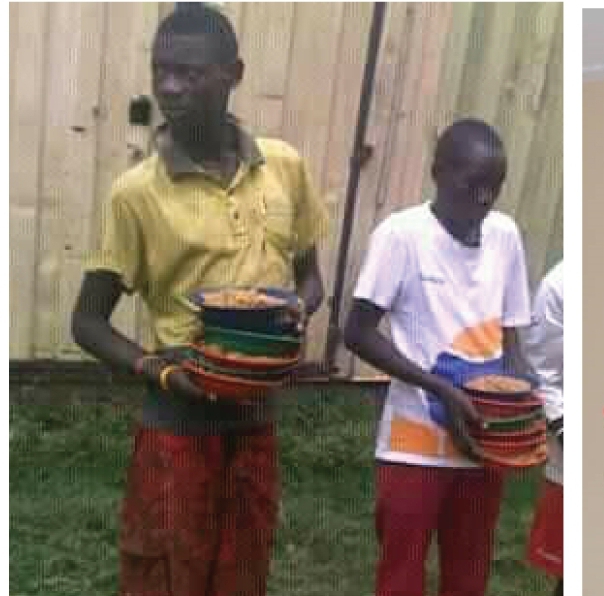
Francis joined our programs in 2005 as part of the very first group of children we worked with. He was one of the first boys we met, and his story has stayed with us ever since. At the time, he was living in a crowded slum area where many street-connected children survive. Home life had become overwhelming, Francis and his parents were living in a single room, and the pressure of overcrowding eventually pushed him to spend much of his time on the streets.
When Francis first joined the program, we did not yet have a shelter. Our support focused on what was possible then: counseling, consistent engagement in activities, and providing clothing. Even while still connected to street life, Francis showed resilience and curiosity about what his future could become. An uncle later stepped in and supported Francis to attend school for several years. When that home closed, the opportunity came to an end. At that stage, Francis made the personal decision to leave school and return to the streets, facing the reality of needing to support himself.
After
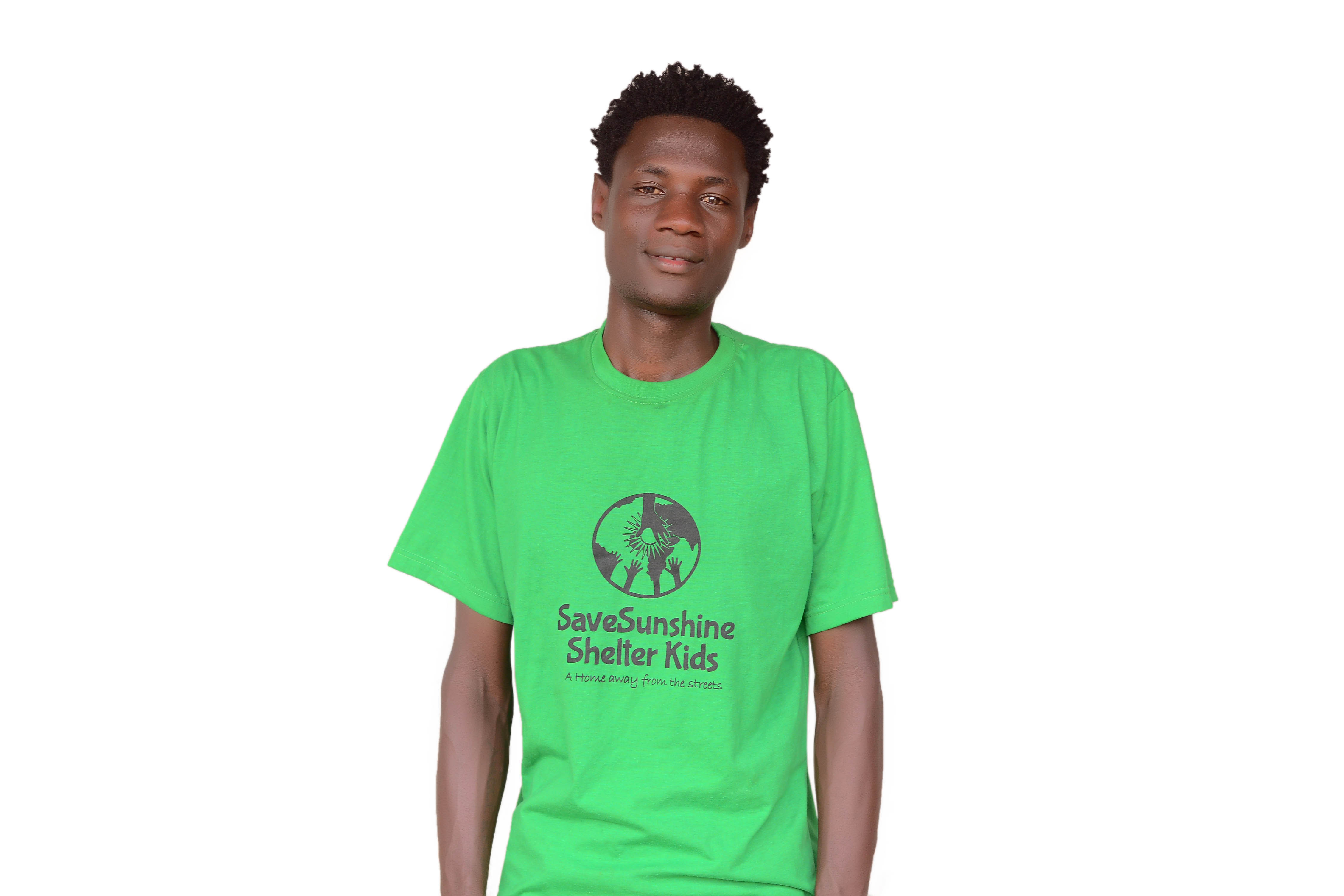
By the age of 17, Francis was ready to take responsibility for his own survival. We encouraged him to begin learning practical skills so he could earn an income. Alongside other boys, he worked small jobs and pooled resources to rent a shared room. When challenges arose as they often did we stepped in to support him, helping him maintain stability. Over time, Francis moved from shared accommodation to renting his own small room, paying a monthly rent of 60,000/-.
This marked an important step toward independence. Because Francis had limited literacy and English skills, we chose not to return him to formal schooling. Instead, we focused on an area he was genuinely passionate about and capable of pursuing: photography. With steady guidance and practical support, his confidence and skills grew. Together, we worked to secure his legal documentation, with his mother remaining actively involved throughout the process.
For a period, we shared responsibility for his rent, each contributing a portion, until Francis reached a major turning point. Toward the end of this year, he was presented with an opportunity to travel to Dubai for work a moment that reflected how far he had come. Francis’s journey has not been easy. Like many young men, he faced personal struggles and moments of frustration along the way. Yet his determination, creativity, and ability to make choices for himself carried him forward. Today, his story stands as a powerful example of growth, resilience, and what can happen when steady support meets personal ambition.
Kenneth – Before & After
Before
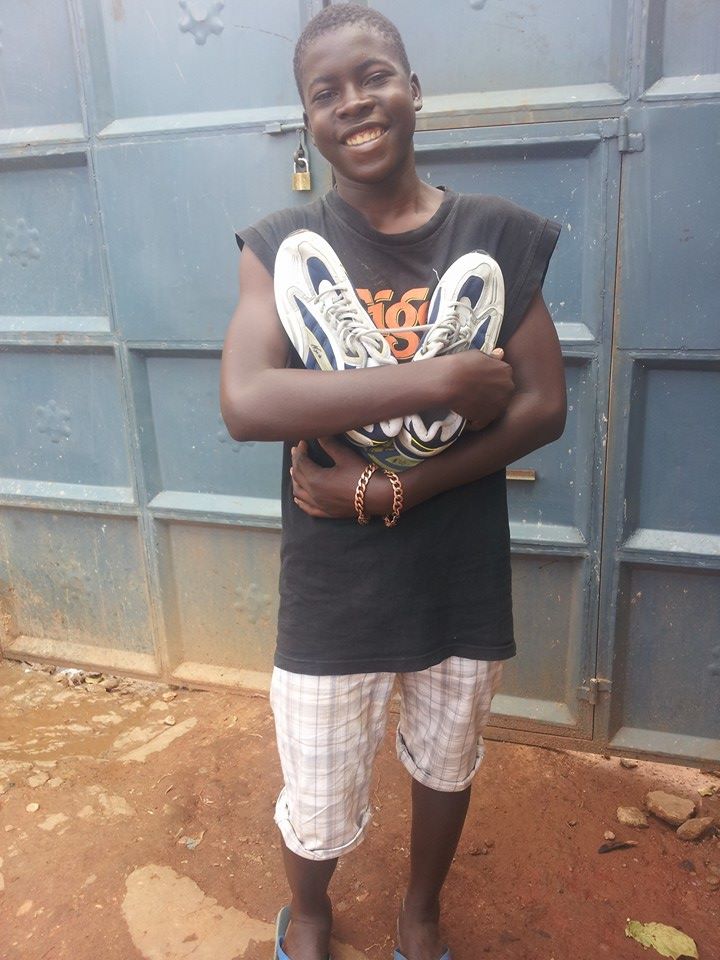
We met Kenneth in 2014 during street outreach programs. He was only 14 years old unwell and in need of urgent dental care. We took him to our first temporary shelter, where he could finally rest and receive care. Kenneth had just completed Primary Seven and had recently left his aunt’s home. He had been brought from the village to Kampala to study and assist with household work, but over time the demands placed on him became overwhelming. Discipline at home grew increasingly harsh, and eventually, he chose to leave. When we first took Kenneth in, we committed to understanding his situation more deeply. After three months, we carried out a family tracing exercise to hear his story fully, speak with his aunt, and explore whether reconciliation was possible.
Despite these efforts, returning home was not an option. Kenneth carried personal struggles that had caused ongoing conflict with his aunt, and she was unwilling to have him back. Taking Kenneth into long-term care was not an easy decision, but it was a necessary one. In the early years at the shelter, he was calm and cooperative. As he grew older, deeper challenges began to surface,challenges that required patience, consistency, and understanding rather than rejection.
Like many boys who grow up on the streets, Kenneth faced behavioral struggles that do not disappear overnight. Change takes time. Throughout this period, we focused on encouragement, structure, and guidance, always working within his ability and emotional capacity. We supported Kenneth through his education from senior one through Senior Six. Although he had the academic potential to continue further, Kenneth made a personal decision to leave school and begin working. He was eager to stand on his own feet and feared falling behind while others moved ahead. This choice affected his studies, but it reflected his strong desire for independence and immediate
After
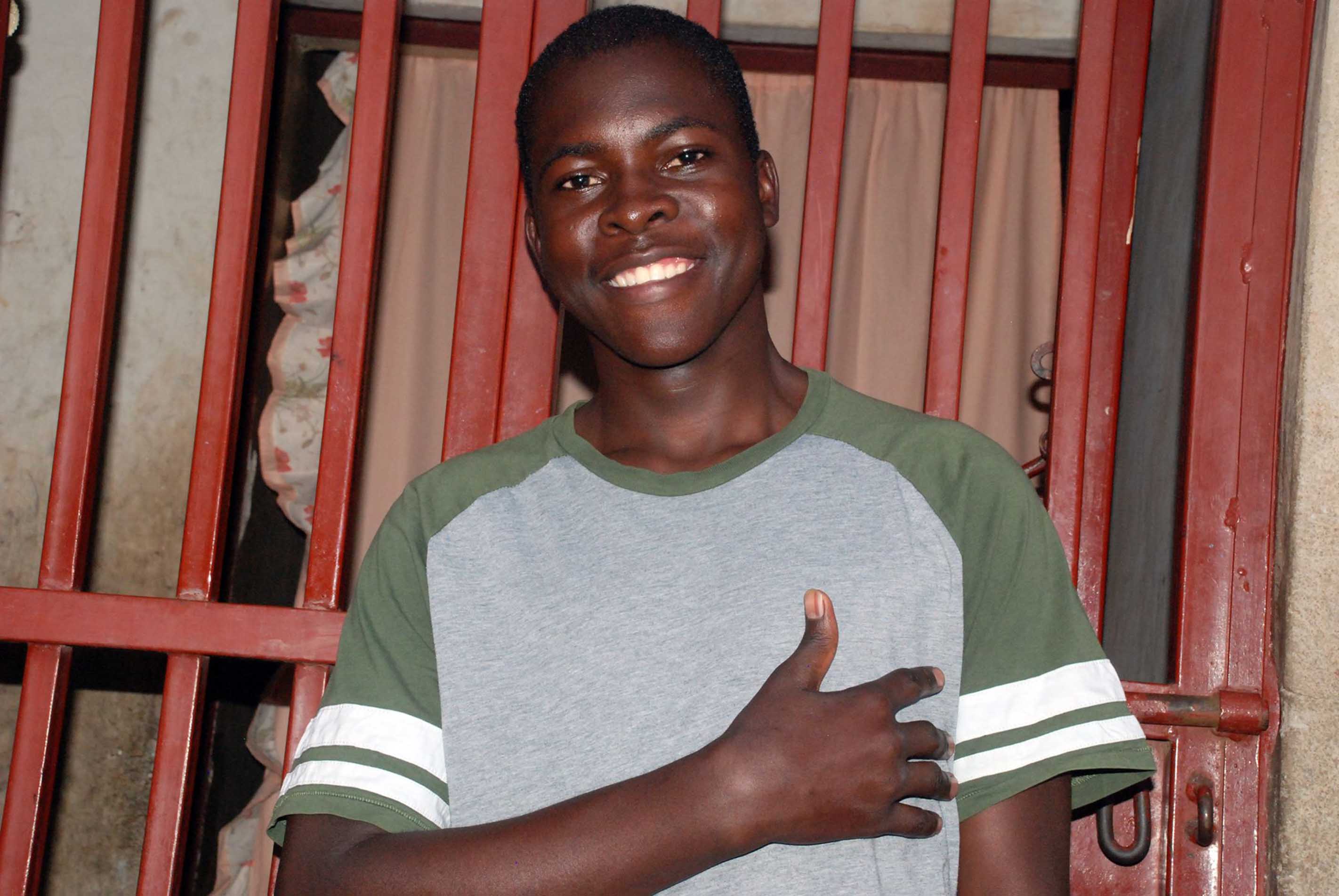
As Kenneth prepared to transition out of the shelter and into the independent living program, a few incidents in the shelter and community made it clear that he needed a fresh start and a space of his own. Acting quickly, we worked to secure a small room 120,000 for rent and 10,000 for electricity. Together with Kenneth, we searched for an affordable place, paid three months’ rent, and ensured he had the basics to begin life on his own: a mattress, bedding, curtains, cooking utensils, and clothes. At the same time, Kenneth actively applied for work. Through a friend’s recommendation, he secured employment and began earning a stable income. For the first time, he was fully responsible for himself, managing rent, work, and daily life independently. Today, Kenneth continues to work in the same place and lives independently. His journey from a vulnerable street child to a self-reliant young man reflects the reality that growth is not linear. Along the way, there have been concerns about peer influence and the impact he has sometimes had on others, challenges common among youths with similar backgrounds. Our role in Kenneth’s life continues, though it has evolved. We support him by encouraging reflection, personal growth, and steady improvement. At times, that support means stepping back and allowing him space to process, learn, and find his own way. Kenneth’s story is not about perfection, it is about resilience, choice, and the ongoing journey of becoming.
Isaac – Before & After
Before
Isaac first came into my life in 2014 through street programs, just seven or eight years old. He stayed with me for several years, and during that time, we shared small moments of joy, laughter, and discovery that marked the early chapters of his life. Eventually, I recommended him to another guardian, in line with state regulations for children of his age. After some time with that guardian, Isaac returned to the shelter. Navigating this transition required revisiting conversations about his experiences, conversations he approached cautiously, given how young he had been when everything began.
After
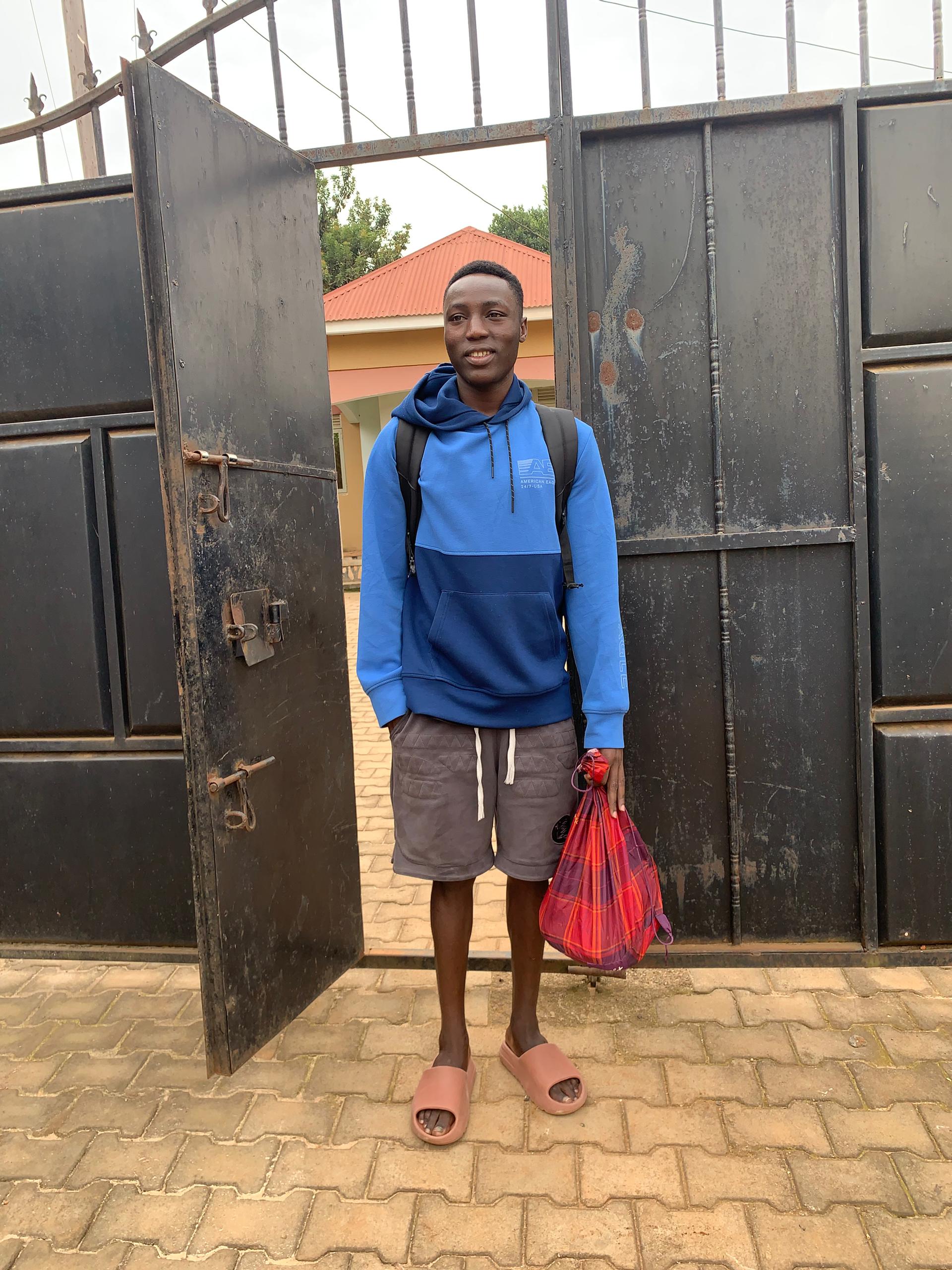
Isaac has always had a strong sense of independence. At one point, he made the choice to leave school. This decision, like many in his journey, was his own, reflecting his emerging voice and growing self-awareness. Over time, he has continued to mature, showing remarkable resilience and adaptability. Today, he primarily returns to the shelter during holidays before resuming his boarding school routine.
During a recent holiday, Isaac seemed a little unsettled, mentioning a camp he planned to attend. In these moments, I emphasize the importance of safety and communication. As part of our approach, I ask children to provide written and signed plans for their activities, ensuring someone always knows their whereabouts. Watching Isaac navigate these experiences, I see a young person learning to balance independence with responsibility, a journey that is far from easy but full of promise.
George – Before & After
Before
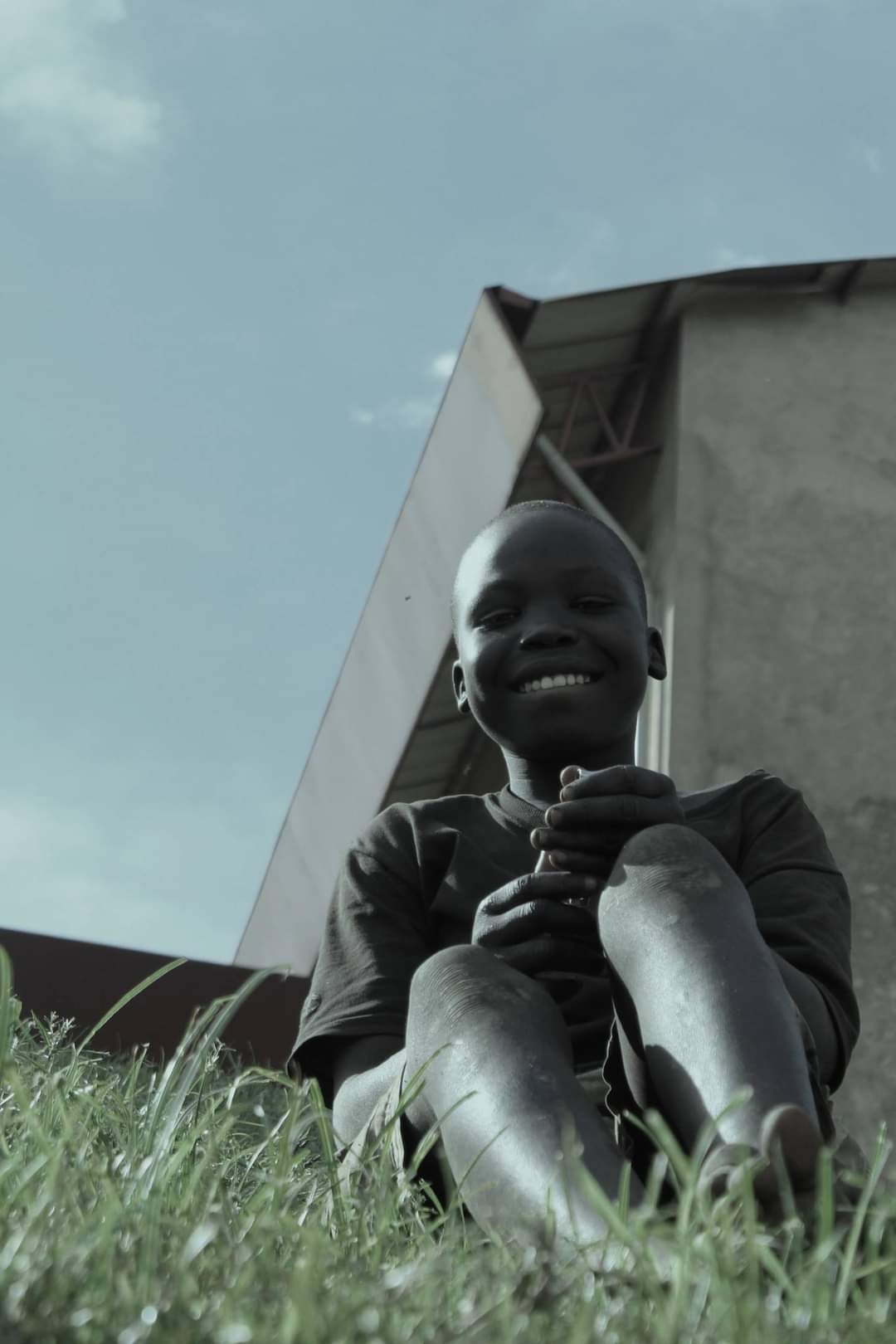
George’s early life was marked by instability. His father’s work required frequent relocation, and as a result, George was often left in the care of different people. Without a consistent home or support system, he learned early how to survive on his own. He rarely speaks about this period, but it eventually led him to the streets, where I met him in 2008. Despite brief involvement in support programs and receiving a partial scholarship for a few years, George chose to leave formal schooling after completing Senior Four. It was a decision he made for himself, feeling drawn toward practical skills rather than continuing in a traditional academic setting.
After
Following his decision to leave school, George enrolled in vocational training, choosing a course in building and construction a field that matched his interests and strengths. He remains committed to this path to this day. Through the years, I supported him with scholastic materials and contributions toward school fees while he was studying, and later with basic needs as he transitioned into independent living.
George joined the independent living program and has worked hard to sustain himself. When he secures building jobs, he pays his rent and manages his daily expenses on his own. During periods when work is unavailable due to the seasonal nature of construction, I step in to support him. Today, George continues to persevere. His journey reflects resilience, personal choice, and steady determination to build a life through honest work, even when circumstances are uncertain.
Benjamine – Before & After
Before
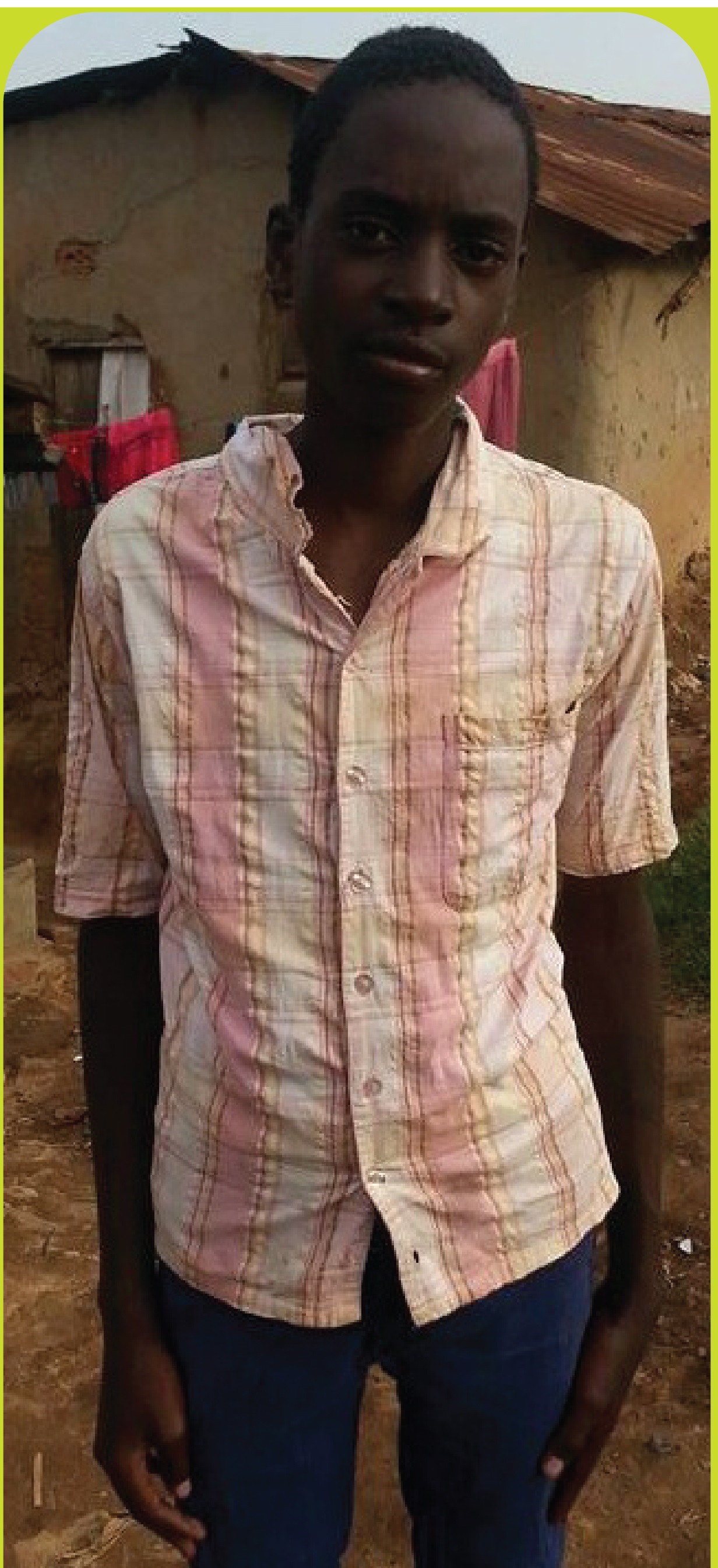
Benjamin’s love for school was the first thing that stood out to us when we met him during our street programs. However, behind that love was a painful story. After his parents separated, Benjamin left home, and the situation worsened dramatically following the death of his mother. With no protection and no safe space, life at home became unbearable.
Benjamin was subjected to constant and excessive beatings by his father, often over small mistakes. The violence eventually pushed him to the streets in search of safety and freedom. When we first encountered him, he was badly bruised and emotionally distressed. We took time to speak with him one-on-one to understand his situation and explore possible solutions to the challenges he was facing.
After
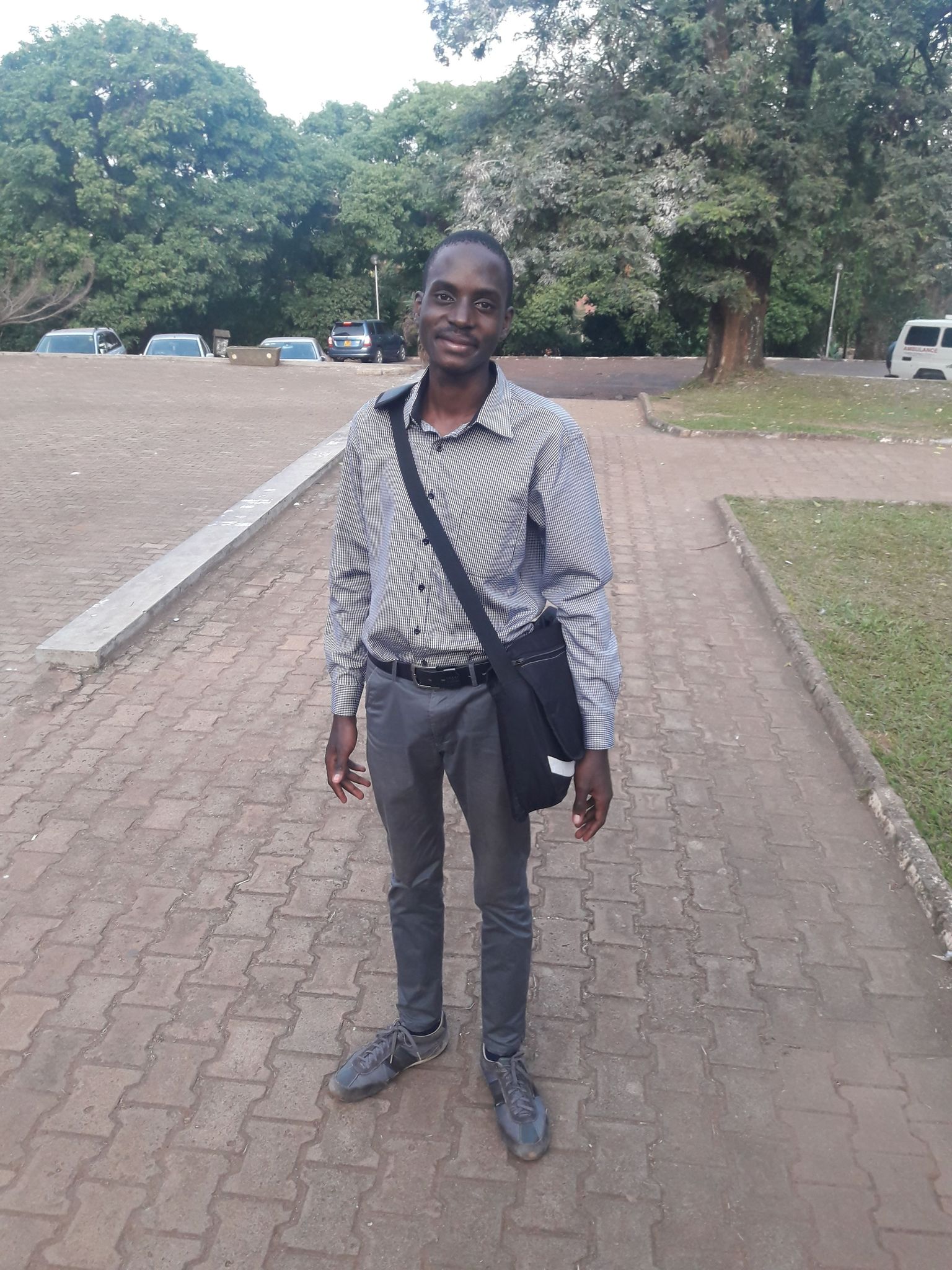
We traced Benjamin’s family and initiated communication with them to find a lasting solution. His resettlement process was not easy, as his father initially intensified the challenges. Despite this, we remained committed to our responsibility to protect Benjamin’s well-being. We respected his father’s conditions, with firm agreements in place: Benjamin had to return to school, be treated with care like any other child, and any form of discipline had to be reasonable and non-violent. We are proud to say that the resettlement was successful. Today, Benjamin’s life tells a different story. He is finished university, with a Bachelor’s software enginnering, an incredible transformation from a child on the streets to a young man building a future through education.
Allan Deo – Before & After
Before
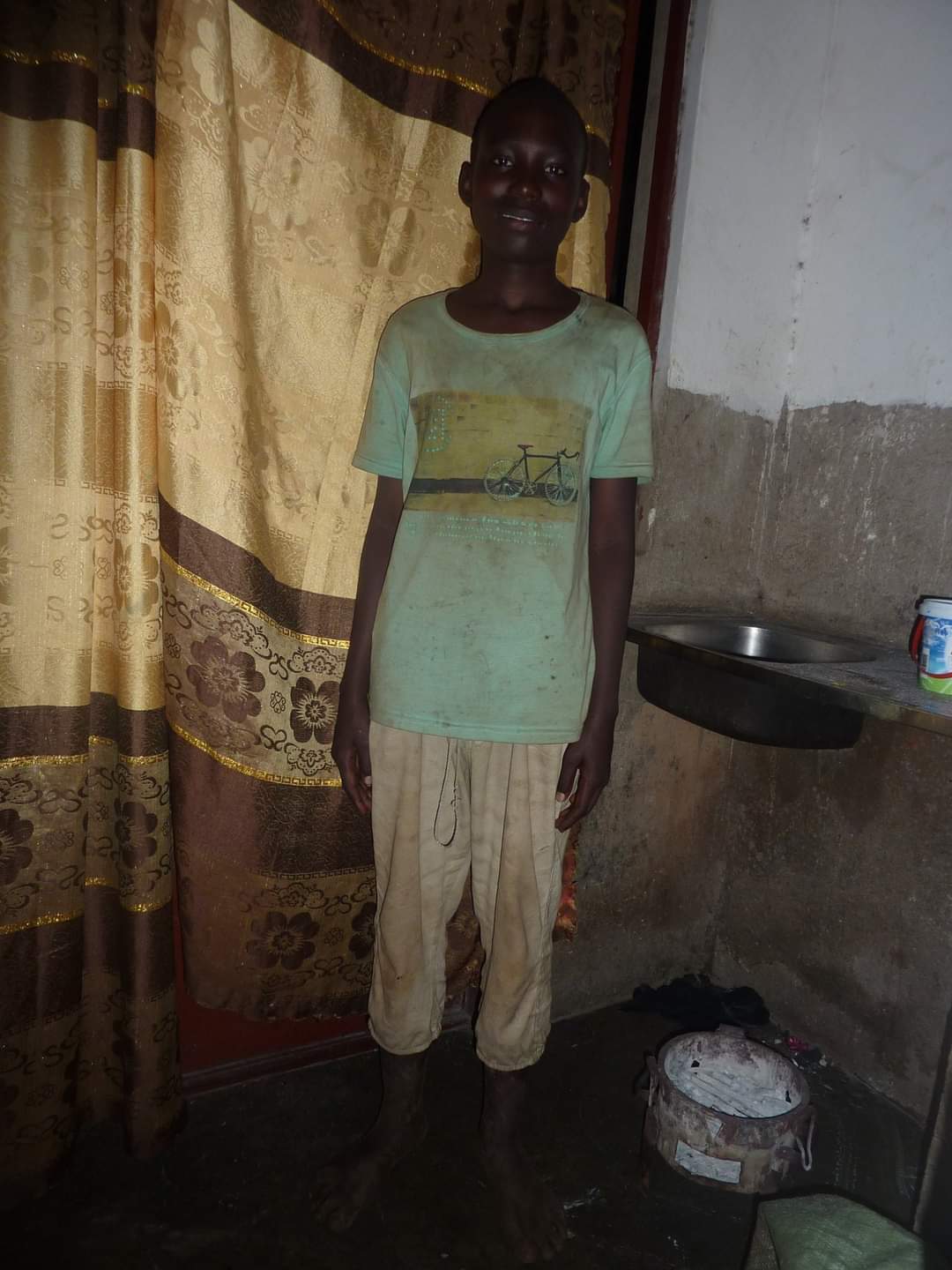
In 2009, we found Allan living on the streets, extremely ill and close to death. He was suffering from a severe skin rash and malaria, and his condition was an emergency. He was too weak to walk, and his friends had to carry him so he could reach our programs. Seeing how critical his situation was, we rushed him to the hospital and worked tirelessly to ensure he could remain there until he fully recovered.
Allan spent two weeks receiving intensive medical treatment. Once his condition stabilized, we welcomed him into our emergency shelter so he could continue healing in a safe environment. Even during this difficult time, we could see that Allan had great potential and a desire to learn if given the chance.
However, the early years were not easy. Allan struggled to settle into shelter life and repeatedly ran away, only to return again. This became a concern, as we did not want other boys to be influenced to do the same. Eventually, we asked Allan to make a clear decision—to either commit to staying or to leave. At that time, he chose to leave.
After
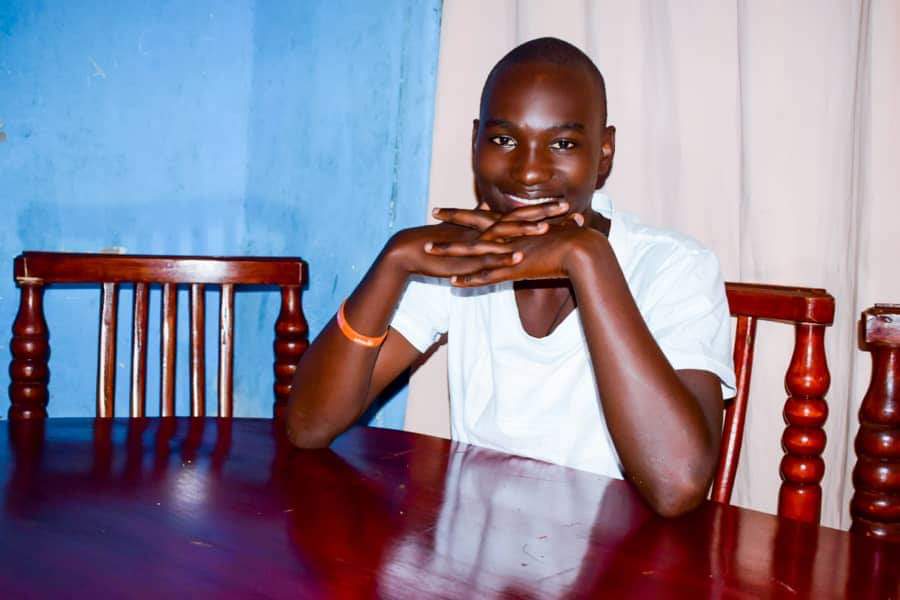
Two years later, Allan returned, this time with a different mindset. He was ready to study and committed to changing his life. He resumed his education, successfully completed Primary Seven, and later joined secondary school. During his school years, Allan discovered his true talents and passion in the arts, especially music and creative expression.
At school, Allan joined a peer group and eventually made the decision to pursue independent living. Although we knew he was not fully ready, it was clear that this decision came from his strong desire for independence. Out of love and respect for his choice, we continued to encourage and support him throughout the process.
Today, Allan has grown into an independent young person. His journey from a critically ill child on the streets to a self reliant individual pursuing his talents stands as a powerful testament to resilience, patience, and the life-changing impact of care, second chances, and belief in a child’s potential.