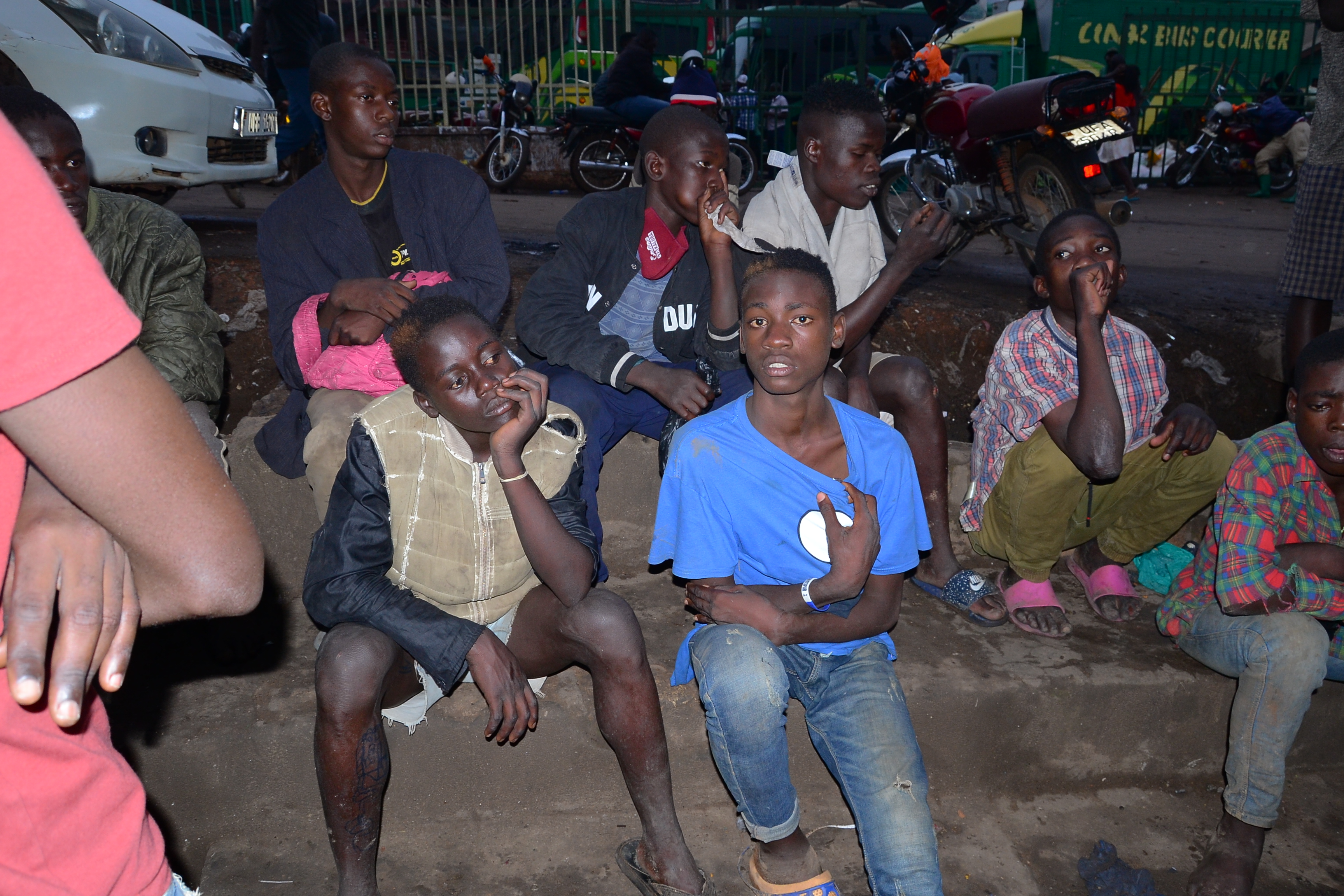
The month of May was mainly focused on resuming the regular street outreach programs after spending much of April organizing activities for the International Day for Street Children, which involved numerous organizational meetings and preparations. The street children outreach programs have, for the most part, been running smoothly on Mondays and Wednesdays, except for Fridays when the number of children is considerably larger.
We are currently observing an increase in the number of new children compared to older boys, particularly within the 13 to 15 age group. This trend is largely influenced by older boys who encourage peers from their home villages to join street life in Kampala. Many of these children are drawn by aspirations of becoming musicians, as the presence of various dance and performance groups in the city creates the impression of opportunity and success, which significantly influences their decisions to migrate to the streets.
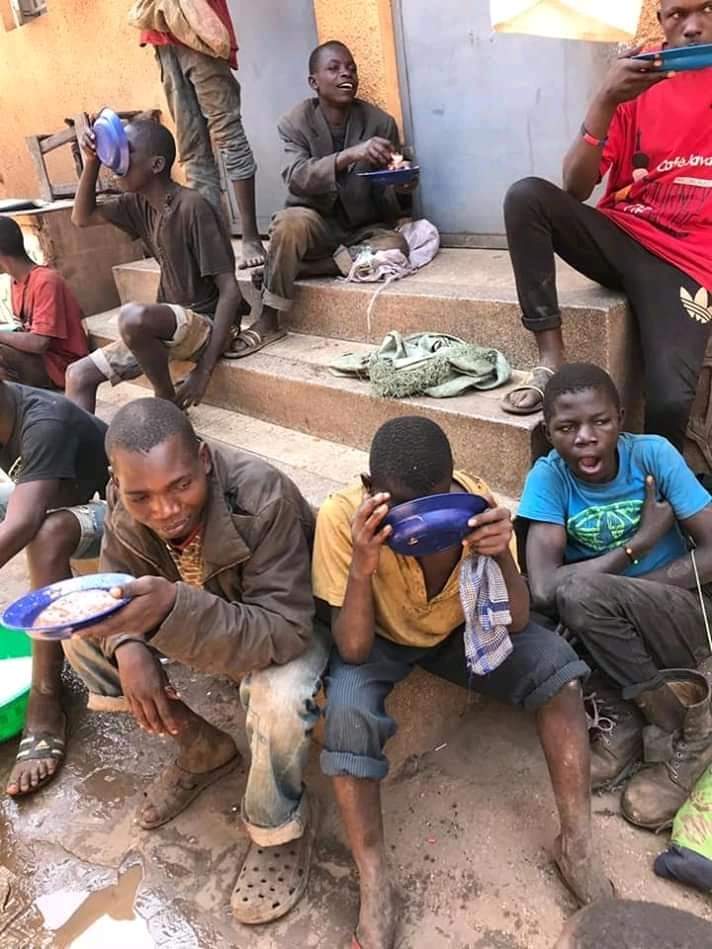
Street children participating in outreach activities and community support programs.
Key Challenge: Ongoing demolitions continue to displace street children, forcing outreach activities farther from the city center and increasing transportation and operational costs.
We are now operating farther from the city center, as ongoing demolitions continue to displace activities and push the programs into surrounding areas. As a result, many street children have lost their usual gathering and hiding places and have relocated to different communities, making it more challenging to locate and consistently engage them in program activities.
Consequently, transportation is often required to facilitate attendance, particularly on Fridays. On other days, sessions are conducted in a nearby field and a former church building, depending on availability and suitability for the program.
As attendance increases, program expenditures also rise significantly, particularly in relation to breakfast provision, water supply, sanitation facilities, and feeding support. The program is typically planned for approximately 80 children; however, when attendance exceeds this number, additional resources are required to adequately accommodate all participants.
Currently, cooked food is purchased only on Mondays, while on the remaining program days, meals are prepared approximately two hours before the children arrive. In addition, arrival schedules have been adjusted to reflect the varying modes of attendance, as some children arrive through organized transportation while others join progressively during the course of the program
Feeding and Welfare Support
The feeding program remained the central activity during outreach sessions. On most Mondays and Wednesdays, children were provided with cassava and beans, while one session included maize flour and beans. On Fridays, meals consisted of maize flour, beans, and cabbage.
During various interactions, many children expressed concern about the cold weather at night, with some requesting additional clothing for protection. Through support from friends and well-wishers, a number of sweaters and shirts were distributed to some of the children. However, the demand for clothing continues to exceed the available resources.
Positive Development: Behavioral improvements among participating children have been noticeable. Cases of public drug use have reduced significantly compared to previous months.
Health and Child Protection
The behavior of the children has generally shown improvement compared to previous months. Incidents of public drug use have reduced, largely as a result of increased law enforcement operations targeting both suppliers and users. While some children may still be engaged in substance use, many have become more cautious and less open about such behavior. This has contributed to a calmer and more stable environment during outreach sessions.
The most commonly used substance that continues to affect the health of several children is aviation fuel. Its distribution is difficult to trace, as it is often acquired indirectly and stored in small quantities. However, there has been a noticeable decline in the number of children using it. As the city continues to undergo restructuring and development, access to illicit substances has become increasingly limited.
There have been several cases of illness among children attending the program such as illnesses including pneumonia, infected wounds, malaria, and other health, with some requiring medical attention before leaving the program center. In recent weeks, following the Ebola outbreak, public health facilities have become more accessible and actively engaged due to increased national attention on child health and infectious disease control. As a result, both street-connected and community children have benefited from free screening services and preventive interventions, which has helped reduce overall medical expenses for the program.
However, one of the main challenges has been managing hospital care when multiple children require admission at the same time. The most common health conditions reported have included pneumonia, infected wounds, and one case involving a persistent rib related injury that remains under observation. Children diagnosed with malaria were treated with medication and discharged accordingly.
Critical Need: Additional cooking equipments are urgently required. The purchase of three large saucepans would significantly improve meal preparation efficiency and allow larger groups of children to be served on time and feeding supplies.
Friday Outreach Successes
Friday programs continued to operate successfully. Children were given time to rest after arrival, provided they washed their clothes and participated in hygiene activities. Volunteer barbers visited the program and offered free haircuts and nail care services, making a meaningful contribution to the children's well-being.
During one session, the film GIANT was shown to encourage reflection on discipline, personal choices, and future aspirations. Combined with the distribution of clean clothing, haircuts, and improved hygiene support, these activities helped reduce stigma and strengthen the children's confidence within their communities.
Looking Ahead: Despite relocation challenges, outreach efforts are achieving better outcomes in communities with lower levels of drug activity. These environments provide greater opportunities for successful rehabilitation, reintegration, and long-term stability for vulnerable children.